The MACHPRO MP-380-YE wins this grading field, but only for an owner-mechanic
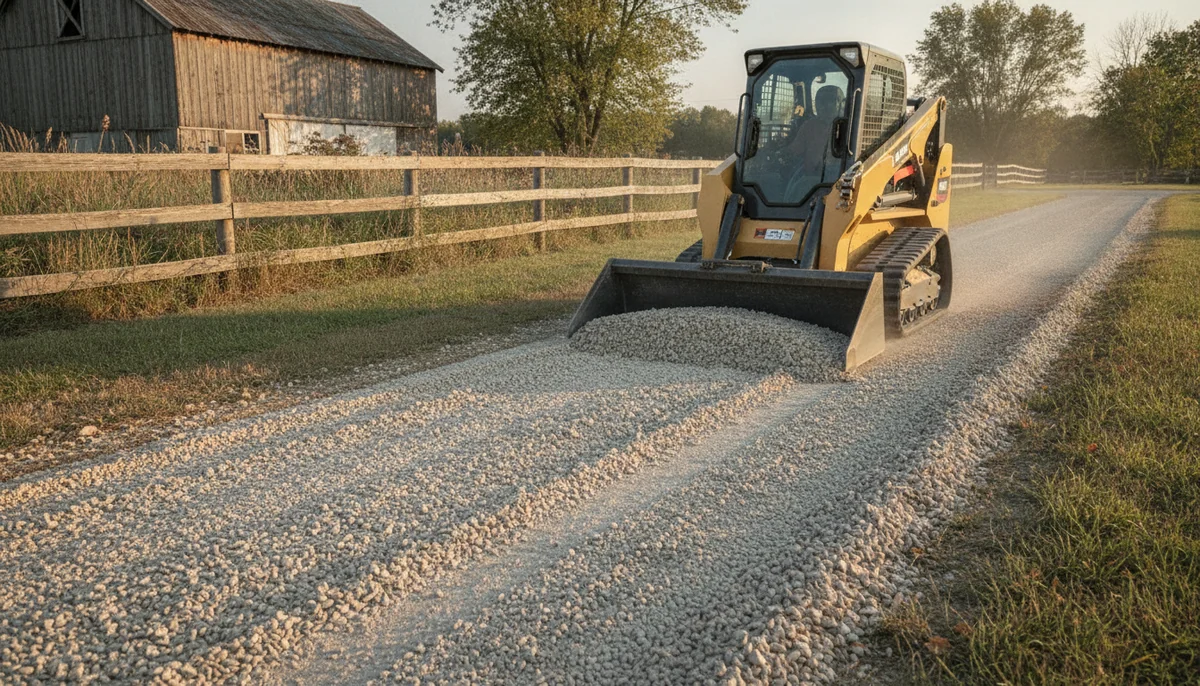
Grading exposes flimsy recommendations quickly. A loader may have enough engine to push a pile yet still be miserable at shaving a high spot, holding a plane, feathering the cutting edge or moving while a powered rake turns. The MACHPRO wins here for a narrower, more defensible reason: its included 4-in-1 bucket can scoop, open for dozing and backdragging, and clamp material, while an exact owner reports backyard grading and log work with smooth, responsive controls.
That is useful proof of work, not a reliability record. The four exact ratings were all positive, but there is no season-long account; the listed 43.3-inch width excludes many residential openings, the lift labels are not reconciled, and the advertised 19 GPM is total system flow rather than established flow at the attachment couplers. The machine earns a conditional win because the rest of this field is even less settled, not because those gaps stopped mattering.
Buy for
Loose soil, gravel, backfilling, driveway reshaping and other intermittent rough-grading work on property where a delay will not cost revenue.
Do not buy for
Daily paid production, severe cross-slope work, a route narrower than the verified machine and bucket envelope, or a plan built around an unverified power rake.
Skid Steer Mulch did not operate, own, load-test, flow-test or measure these machines. This ranking starts with exact listings and exact-owner reports, gives grading work more weight than generic praise, and treats a seller’s number as a claim until the record supplies a useful definition or an owner supplies a relevant result.
Grading is won at the cutting edge, not on the horsepower decal
“Grading” hides four different jobs. Cutting hard, untouched ground asks for penetration and machine mass. Moving loosened material asks for bucket control and traction. Establishing a plane asks for visibility, predictable travel and a tool that bridges small highs and lows. The last pass asks for restraint, because a machine that keeps digging after the surface is close can undo an afternoon in seconds.
| Grading pass | What matters most | Sensible tool | Common buying mistake |
|---|---|---|---|
| Break the surface | Penetration, traction, a low load and enough carrier mass to keep the edge engaged | Narrow toothed bucket or scarifying tool | Expecting a wide smooth bucket to excavate baked or rocky ground because the engine is rated at 23 hp |
| Move and spread | Smooth lift and curl, a useful bucket, stable travel and a clear sightline | Plain bucket or 4-in-1 bucket | Treating maximum hydraulic force as a safe carried load |
| Set the plane | Consistent speed, gentle steering and an attachment long enough to bridge short humps | Land plane, leveler or carefully backdragged bucket | Buying more horsepower instead of a flatter, better-matched grading edge |
| Finish the surface | Fine control, verified float if required, shallow corrections and minimal turning | Passive leveler or a properly matched powered rake | Assuming every quick-attach tool can work while both drive sides remain controllable |
A close 23 hp grading demonstration makes the attachment lesson plain: the smooth bucket struggled to enter extremely hard, rocky soil until a narrow toothed tool broke the surface, after which the broad bucket could carry and shape the loosened material. That was not a test of every machine below, but it is a better buying principle than treating engine output as bucket penetration.
Two pumps are enough until the grading tool needs to spin
A plain bucket, land plane or drag attachment does not need continuous auxiliary oil, so a basic two-pump loader can still grade useful property projects. A powered rake changes the problem: the attachment must turn while the loader creeps and steers, and a shared two-pump circuit can sacrifice one drive side when auxiliary flow is engaged. A separate third pump is therefore a meaningful advantage, but only published auxiliary flow at working pressure, return limits, cooling and case-drain details can prove the full match.
If a hydraulic rake is the reason for buying, use the powered-attachment shortlist before choosing the carrier. If the plan is bucket and passive-leveler work, the two-pump and three-pump guide shows why the simpler machine can still be the honest fit.
Tracks solve traction; wheels simplify the finish
Tracks usually deserve first consideration on loose fill, mud and soft subgrade because they spread weight and keep driving where tires may spin. They also drag a large contact patch through every skid turn, which can pull aggregate sideways, chew established turf and make a short tracked chassis pitch over abrupt rocks. Wheels suit compacted driveways, barn floors and firm yards, travel more freely between passes and remove track tension and derailment from the service list, although they give away flotation and some grip.
Surface and route should settle that choice before the badge does. The site’s wheel-versus-track guide covers the terrain trade, while the gate-width method prevents a nominally compact loader from discovering the narrowest opening on delivery day.
The field turns into a short list quickly
This catalogue sweep includes two ASINs whose listings contain no usable identity at all. Coverage is not endorsement. Among the machines with a usable record, MACHPRO comes first, HUAYEE HY480C follows when documented three-section hydraulics matter, MMS MS380L is the firm-ground alternative, and the lighter MMS MS360L or HUAYEE HY360C fit smaller chores; the remaining machines need major verification or deserve a direct no.
An unnamed listing is not a grading pick.
There is no model, specification, rating, feature or owner record here that supports choosing this machine for grading.
The missing identity and dimensions make even access, bucket fit, support and basic suitability unknowable.
The MACHPRO MP-380-YE is the best overall grading package here for an owner-mechanic.
Its included 4-in-1 bucket and exact report of grading a backyard and moving logs give it the field’s clearest combination of useful tool and relevant work.
Narrow access, continuously powered tools and commercial uptime all ask for evidence or specifications that this record does not provide.
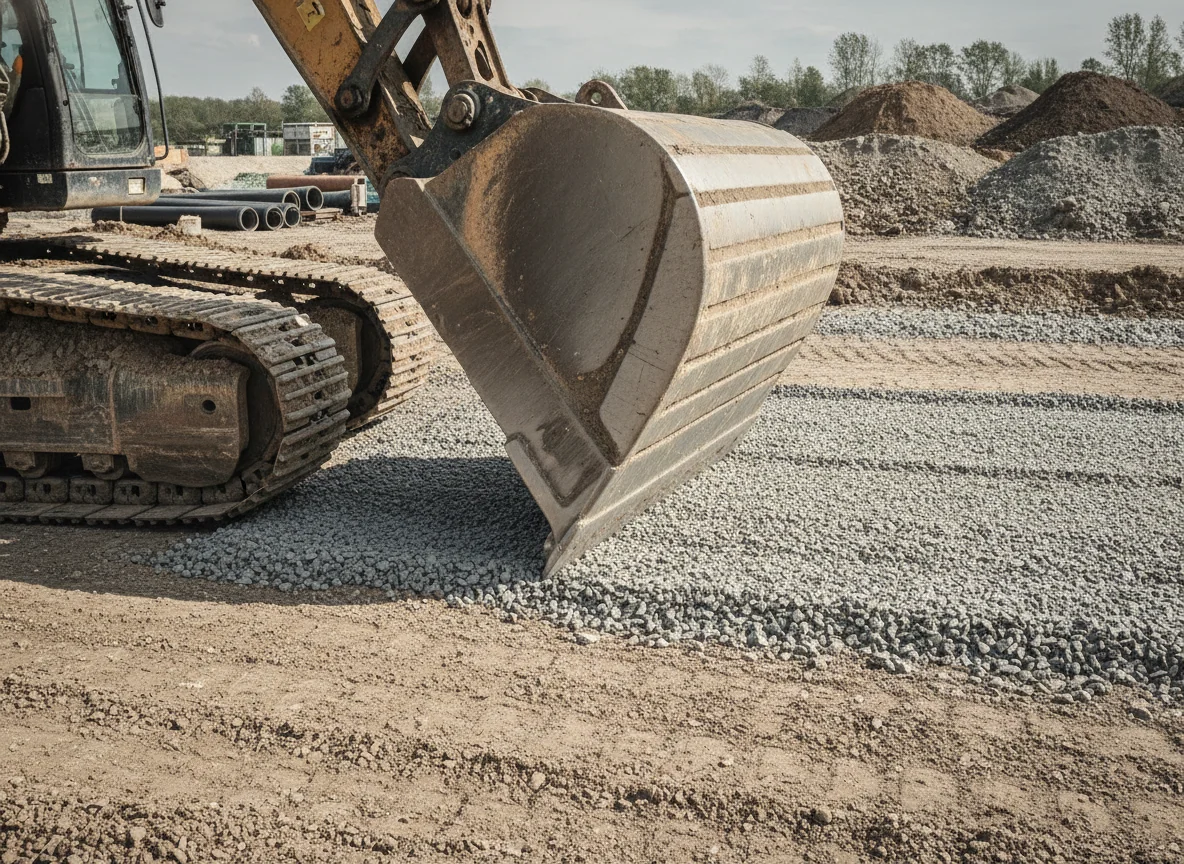
The MMS MS380L is the strongest simple wheeled choice for firm, open grades.
Exact owners report moving road rock and dirt and grading a greenhouse area, which makes this a credible bucket and rough-grading loader for a self-maintaining property owner.
The exact record stops at 10 hours, identifies a two-pump ceiling for powered tools and includes batteries, levers, pallet and freight damage among the arrival problems.
The DIGMIGHT MP310 is a listing claim, not a proven grading machine.
A tracked 13.5 hp Briggs-powered loader could suit light bucket work, but the two retained reviews contain no task, runtime or grading result.
The listing calls the machine 45.3 inches wide while also saying it fits a 36-inch gate, and its 660-pound and 800-plus-pound lift language does not reconcile.
The MMS MS360T should stay off the grading shortlist until its build is documented.
The current listing’s Briggs engine and triangular tracks could fit occasional light rough grading, but only after MMS proves the exact configuration in writing.
The listing omits operating weight, usable capacity, width, hydraulic architecture and track identifiers, while its two arrival-day reviews include an unresolved control complaint.
The HUAYEE HY480C is the best power-rake-capable tracked alternative, with a fuel-system caveat that can stop the sale.
Its visible three-section hydraulics, listed 44-inch width and exact-owner reports of bucket grading and power-rake work create the field’s most credible path to powered finish work.
A full tank leaked at the filler while one owner pointed uphill, another owner stopped a continuing hydraulic-temperature climb, and the longest clear exact-model record reaches only 36 hours.
The Wolfequip T460S1 is not a recommendation until its off-platform controls are explained.
The 46-inch bucket and accessible mechanical layout could serve loose-material grading for a skilled private owner after the seller documents the exact machine.
A close Wolf owner reported that controls remained active with nobody on the platform, while the exact listing leaves hydraulic flow, lift methodology, dimensions and long-term support unresolved.
The LUROFAN crawler is too vaguely sized and too thinly documented to rank as a grading buy.
Two owners offer generic praise for traction, digging and material handling, but neither supplies a model specification, runtime, load or grading result.
The listing gives a 53.58-inch middle dimension yet omits the engine, operating weight, lift rating, hydraulics, attachment interface, warranty and parts path.
The ATS Power T460 is a rough-grade loader for a repair-ready owner, not a finish-grade specialist.
Direct footage supports basic loose-dirt loading, so the standard T460 can make sense for bucket spreading and backdragging on open, reasonably level property.
The listing never explains the relationship between its 770- and 840-pound lift claims, never establishes usable powered-tool hydraulics, and the sole retained owner review says the manual was missing.
The MMS MS360L is the lower-power wheeled pick for light grading on firm ground.
Exact reports of greenhouse grading, residential landscaping and property material work support the included bucket as a useful labor saver where wheels suit the surface.
The two-pump hydraulics are a poor match for a moving power rake, the longest disclosed exact use is 10 hours and arrival problems include bad batteries, broken levers and shipping damage.
The DigSwift DS-S40 has a useful 39.4-inch width claim, but not enough evidence to buy.
Its claimed 39.4-inch width, 661-pound rated operating capacity and 13.5 hp Briggs engine could suit constrained light grading if every dimension and rating is confirmed.
One vague first-impression review cannot resolve the missing hydraulics, bucket width, safety systems, preparation, delivery duties, warranty or parts support.
The HUAYEE HY360C suits light barn and yard grading better than heavy site work.
Its Briggs engine, wheeled chassis and early reports of smooth controls and useful stall access support loose bedding, mulch and shallow bucket work on firm ground.
The 525-pound published operating rating, dual-pump system with no auxiliary-flow figure and exact record ending at 16 hours rule out heavy loads and attachment-led grading.
The TYPHON STOMP is a promising tracked carrier whose grading evidence never catches up with its hardware.
A close tracked GX690 machine showed three pumps and substantial hardware, which makes this a plausible property-grade carrier after exact identity and specifications are documented.
The exact listing had no ratings and leaves width, usable capacity, auxiliary flow, float, attachment duty cycle, parts and warranty remedies unsettled.
The DigSwift DS-SS50 is a hard no while its exact record remains two unexplained extremes.
The claimed 39.4-inch tracked package and 23 hp engine describe a potentially useful rough grader, but no exact work report earns it consideration yet.
One review says only “SCAM,” the other says only that it was wanted, and the listing does not settle hydraulics, capacity, safety, configuration, delivery or support.
The HUAYEE HY480D can grade, but its engine record makes it a skip.
The seated wheeled loader has an exact report of grading a three-quarter-mile dirt drive and performing other substantial property work, so basic capability is believable.
That same owner reported very early trouble in the original engine and no more than 12 hours from its replacement, which overwhelms the appeal for most buyers.
A second unnamed ASIN deserves the same immediate refusal.
No brand, model, specification, feature, rating or owner evidence connects this listing to a usable grading machine.
Without an identity, the buyer cannot verify dimensions, attachments, manuals, replacement parts, safety equipment or the machine that would arrive.
The Wolfequip T460S1WH bundle adds forks without proving the loader beneath them.
The standard bucket and included fork frame could cover light grading and low material positioning on level private ground after the exact machine passes a written specification review.
The listing had no ratings, the fork frame consumes part of an undefined loader capacity, powered-tool hydraulics are absent and the close Wolf control-safety concern remains unresolved.
The generic LDH-T460 is duplicated sales copy without an owner record.
Nothing beyond the listing supports selecting this generic-badged machine over the better-documented ATS version of the same named platform.
Zero ratings, undefined 770- and 840-pound lift claims, tire language on a tracked listing and no model-specific support path make checkout an unjustified gamble.
Frequently Asked Questions
Can a mini skid steer leave a true finish grade?
Yes, on suitable material with a skilled operator and the right bucket, land plane or rake, but none of these machines turns horsepower alone into a flat final surface.
Are tracks always better than wheels for grading?
No, tracks usually gain traction and flotation on loose or soft ground, while wheels travel and correct more cleanly on firm bases and avoid track maintenance.
Does grading require three hydraulic pumps?
No for a bucket or passive leveler, but a powered rake that must turn while the loader creeps is a strong reason to require verified independent auxiliary flow.
Is a 4-in-1 bucket automatically better for grading?
No, its opening jaw adds useful dozing, clamping and backdrag options, but extra weight, hinges and geometry do not guarantee a flatter result than a well-matched plain bucket or land plane.
Should boom float be assumed from a grading claim?
No, require the exact manual and a control demonstration because a bucket can be lowered and backdragged without the machine having a true float detent.
What should be measured before buying for a backyard?
Measure the narrowest clear opening, bucket and chassis width, hinge and latch intrusion, approach turns, slope changes, overhead clearance and the space needed to remove an attachment safely.
Sources (2)
- Amazon listings and customer reviews
- Owner and reviewer video, 8 channels